Performance marketing has evolved far beyond running ads on individual platforms.
Today’s customers move between search engines, social media, websites, emails, marketplaces, messaging apps, and increasingly, AI-powered discovery platforms before making a decision. Yet many businesses still manage these touchpoints separately.
That creates a disconnect.
An effective omnichannel performance marketing strategy helps businesses create a seamless experience across every stage of the customer journey, improving visibility, engagement, and conversions. In 2026, this is no longer a competitive advantage for a select few. It is becoming a foundational requirement for sustainable growth. Businesses that continue treating channels as isolated marketing functions may find themselves struggling to keep pace as customer expectations continue to evolve into 2027.
But why does it matter in 2026 and beyond?
Because:
- Customers now interact with brands across multiple platforms before converting.
- Omnichannel marketing connects these touchpoints into a unified experience.
- Better customer experiences often lead to stronger conversion performance.
- Integrated measurement improves decision-making and budget allocation.
- Businesses adopting omnichannel strategies today are building stronger foundations for future growth.
Why An Omnichannel Performance Marketing Strategy Is Becoming Essential
An omnichannel performance marketing strategy focuses on creating a connected customer experience rather than managing individual marketing channels independently. This distinction matters because customers do not think in channels.
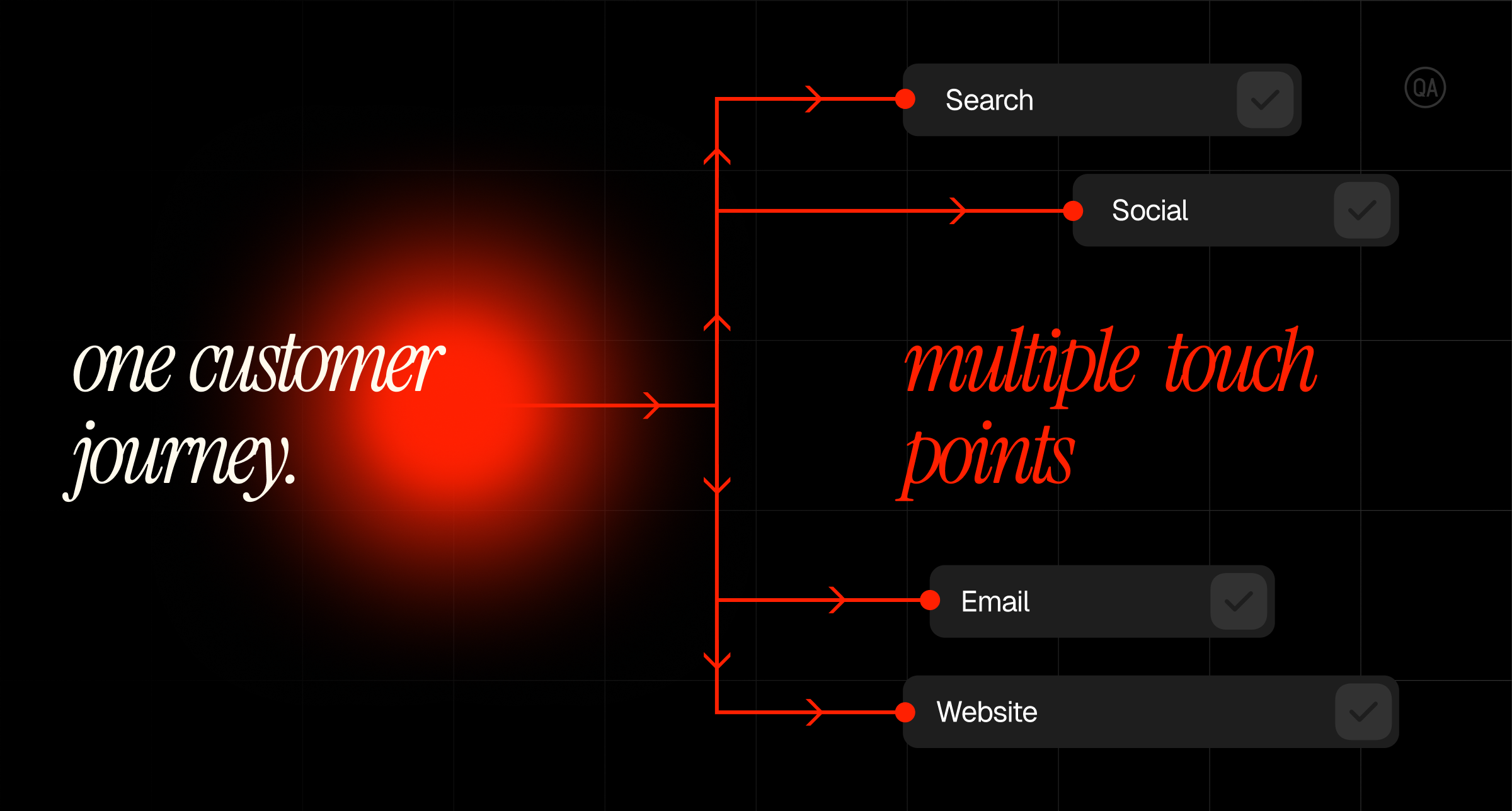
A potential buyer may discover your brand through Google Search, explore your social media presence, visit your website, read reviews, subscribe to emails, and finally convert after seeing a remarketing campaign.
From the customer’s perspective, this is one journey. From a business perspective, however, these interactions often sit in separate dashboards, teams, and reporting structures. That gap creates inefficiencies.
Modern businesses are increasingly investing in omnichannel marketing services in India to unify messaging, improve campaign coordination, and strengthen performance across the entire buyer journey.
The shift is clear:
Marketing success is becoming less about individual channels and more about how effectively those channels work together.
How Customer Journeys Are Reshaping Full Funnel Marketing Strategy in 2026
The traditional linear funnel has changed.
Customers rarely move directly from awareness to purchase. Instead, they move back and forth between platforms, content formats, and decision stages. That reality is transforming the modern full funnel marketing strategy in 2026 that businesses need to adopt.
A successful funnel now requires consistency across multiple touchpoints. Without it, businesses risk losing prospects at critical moments.
Customer Experience Optimisation Across Channels
Customers expect continuity. If messaging on social media differs significantly from website content or landing pages, trust can erode quickly. This is why customer experience optimisation across channels has become a key growth driver.
Businesses that maintain consistency across touchpoints often experience:
- Higher engagement rates
- Stronger brand recall
- Improved conversion rates
- Better customer retention
The goal is not simply visibility, it’s rather continuity.
Lead Generation Across Multiple Channels
Modern buyers rarely convert after a single interaction. Effective lead generation across multiple channels allows businesses to engage prospects wherever they are most active.
This might include:
- Search advertising
- Social media campaigns
- Email marketing
- Video platforms
- Content marketing
- Retargeting campaigns
The more coordinated these channels become, the more effective the overall marketing ecosystem becomes.
Multi-Channel Marketing Vs Omnichannel Marketing: Understanding the Difference
Many businesses use these terms interchangeably, but they should not, because the difference between multi-channel marketing vs omnichannel marketing is significant.
| Multi-Channel Marketing | Omnichannel Marketing |
| Channel-focused | Customer-focused |
| Separate campaigns | Connected campaigns |
| Independent reporting | Unified measurement |
| Different messaging | Consistent messaging |
| Fragmented journey | Continuous journey |
A business can have a presence on multiple platforms without being omnichannel. True omnichannel marketing connects those experiences into a cohesive journey. That distinction increasingly influences marketing performance.
As customer journeys become more complex, disconnected marketing efforts become harder to sustain.
Building an Integrated Digital Marketing Strategy Across Platforms
An integrateddigital marketing strategy ensures every marketing activity contributes toward common business objectives.
Instead of evaluating channels independently, businesses focus on how channels support one another. This creates stronger campaign efficiency and better customer experience.
An effective cross channel marketing strategy Indian business can adopt often includes:
- Shared campaign objectives
- Unified messaging frameworks
- Consistent audience targeting
- Coordinated creative assets
- Centralised performance measurement
This approach also strengthens performance marketing across multiple platforms, allowing businesses to optimise campaigns based on overall outcomes rather than isolated metrics.
How to Create an Omnichannel Marketing Strategy
Building an omnichannel framework starts with understanding customer behaviour.
Key steps include:
- Map the customer journey.
- Identify major customer touchpoints.
- Align messaging across channels.
- Integrate campaign tracking systems.
- Establish shared performance goals.
- Continuously optimise based on data.
Businesses that successfully implement this process often build a stronger unified marketing strategy for business growth over time.
Measuring Performance Marketing ROI Across Channels
One of the biggest challenges in modern marketing is attribution.
Customers interact with multiple channels before converting, making it difficult to determine which touchpoint deserves credit. This is where measuring performance marketing ROI across channels becomes critical.
Without a connected measurement framework, businesses risk overinvesting in channels that appear successful while undervaluing those that play an important supporting role.
Omnichannel Attribution Model Explained
An omnichannel attribution model helps businesses understand how different channels contribute to conversions. Instead of assigning credit to a single interaction, attribution models evaluate the broader customer journey.
This provides better visibility into:
- Conversion pathways
- Customer behaviour
- Campaign effectiveness
- Budget allocation opportunities
The challenge is no longer generating data but rather connecting it. Businesses that solve this challenge gain a significant competitive advantage. Once businesses can measure omnichannel performance accurately, the next challenge is scaling and managing those connected experiences effectively.
Why Businesses Are Investing in Omnichannel Marketing Services India for Future Growth
Customer journeys are becoming increasingly interconnected. At the same time, new platforms, AI-powered discovery tools, and evolving search behaviours are creating additional complexity for marketers. This is why businesses are increasingly seeking omnichannel campaign management services that can coordinate activity across channels rather than optimise them in isolation.
Whether it involves omnichannel marketing for ecommerce brands, lead generation initiatives, or broader digital marketing funnel strategy India implementations, the objective remains the same: create a seamless experience that drives measurable business outcomes.
At The QA, performance marketing is approached as a connected growth system. By combining audience insights, cross-channel execution, conversion optimisation, and strategic measurement, we help businesses build marketing ecosystems designed for long-term growth rather than short-term wins.
The reality is that customer journeys will likely become even more connected in the years ahead. Businesses that establish strong omnichannel foundations in 2026 will be better positioned to adapt, optimise, and grow as the expectations of 2027 continue to take shape.
Explore our performance marketing approach and discover how a connected strategy can help drive stronger business outcomes.