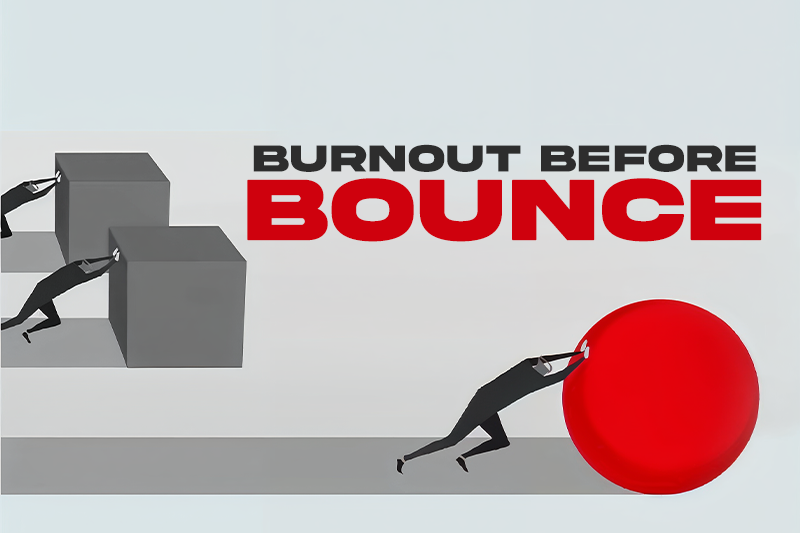
Paid ad performance rarely crashes overnight. It erodes quietly.
A campaign that once delivered consistent results starts feeling heavier to run. Costs inch upward. Engagement slips. Leads still come in, but they don’t convert with the same ease. Most teams respond by refreshing creatives or tweaking budgets; yet the slowdown continues.
Often, the real issue isn’t messaging or spend. It’s that the same people have simply seen your ads too many times.
This is where understanding audience saturation becomes critical, especially before a visible campaign performance drop forces reactive decisions.
What Audience Saturation Really Looks Like
Audience saturation happens when your ads repeatedly reach the same users, reducing attention and response over time. It’s not about poor targeting— it’s about overexposure.
As reach plateaus and frequency climbs, results weaken even if everything else stays constant. Without deliberate audience saturation detection, brands continue spending into diminishing returns.
This challenge is increasingly common as platforms mature and audience pools tighten.
Creative Fatigue or Audience Fatigue? Most Brands Misdiagnose This
A frequent question marketers ask is: “Do we need new creatives or a new audience?”
The answer depends on whether you’re dealing with creative fatigue or audience fatigue.
- Creative fatigue: visuals or messaging lose impact
- Audience fatigue: the same users are repeatedly exposed
If frequency keeps rising despite creative refreshes, the issue isn’t the ad; it’s the audience. Ignoring this distinction leads to recurring ad fatigue, and eventually performance issues that never fully resolve.
Early Signs of Audience Saturation You Shouldn’t Ignore
Audience saturation rarely starts with dramatic drops. Instead, you’ll notice patterns like:
- CTR declining while impressions remain stable
- Rising CPAs without targeting changes
- Leads taking longer to convert
- Engagement falling across all creatives
These are classic Facebook Ads saturation signals and Google Ads frequency issues, warnings that attention is wearing thin.
How Audience Overlap Speeds Up Saturation
As campaigns scale, many brands unknowingly retarget the same users across multiple ad sets and platforms. This creates audience overlap problems, where users encounter similar messaging repeatedly.
Without proper exclusions and segmentation, overlap accelerates saturation faster than expected. This is why media audience analysis is essential during scaling phases.
Overlap doesn’t just waste spend— it shortens the life of your campaigns.
Why Saturation Disrupts the Paid Ads Lifecycle
Every campaign follows a lifecycle: launch, growth, plateau, decline. Audience saturation compresses this timeline.
Without intentional ad lifecycle management, brands react only after results drop sharply. At that stage, recovery costs more and takes longer.
Controlling exposure early through an ad frequency control strategy helps extend performance before fatigue sets in.
Detecting Saturation Before ROI Suffers
Teams that manage scale well track more than surface metrics. They monitor:
- Frequency trends by audience segment
- Reach-to-spend efficiency
- Engagement decay over time
- Conversion lag and lead quality shifts
When multiple indicators change together, it’s a saturation issue— not creative failure. This insight enables proactive media optimization India strategies instead of late-stage fixes.
Why “Just Expand the Audience” Often Backfires
A common reaction to saturation is broad expansion. While it increases reach, it often dilutes intent.
An effective audience refresh strategy focuses on relevance, not randomness:
- Structured lookalike recalibration
- Intent-based segmentation
- Smart exclusions
- Platform-specific audience scaling techniques
This allows growth without sacrificing efficiency.
Scaling Paid Ads Without Burning the Audience
Sustainable growth isn’t about higher budgets; it’s about controlled exposure.
Proven audience scaling techniques include:
- Rotating audience cohorts
- Sequential messaging frameworks
- Staggered creative testing
- Platform-level frequency caps
These reduce burnout while preserving performance momentum.
This is where experienced teams; such as an paid media agency working at scale; build systems that anticipate saturation instead of reacting to it.
Why Audience Strategy Is a Growth Lever
Audience management is no longer tactical. It’s strategic. Saturation directly affects stability, scalability, and ROI predictability.
Brands that treat audiences as static pools face repeated performance drops. Those that evolve targeting dynamically scale with confidence.
If you want to see how audience intelligence fits into a broader performance marketing approach, explore The QA’s performance marketing services on their official website.
Audience saturation isn’t a failure; it’s feedback. It signals that your ads are working within a limited pool.
The brands that scale sustainably aren’t the ones with endless budgets. They’re the ones that detect saturation early, refresh intelligently, and treat audience strategy as an evolving system— not a fixed setup.